
Filariasis
About Filariasis
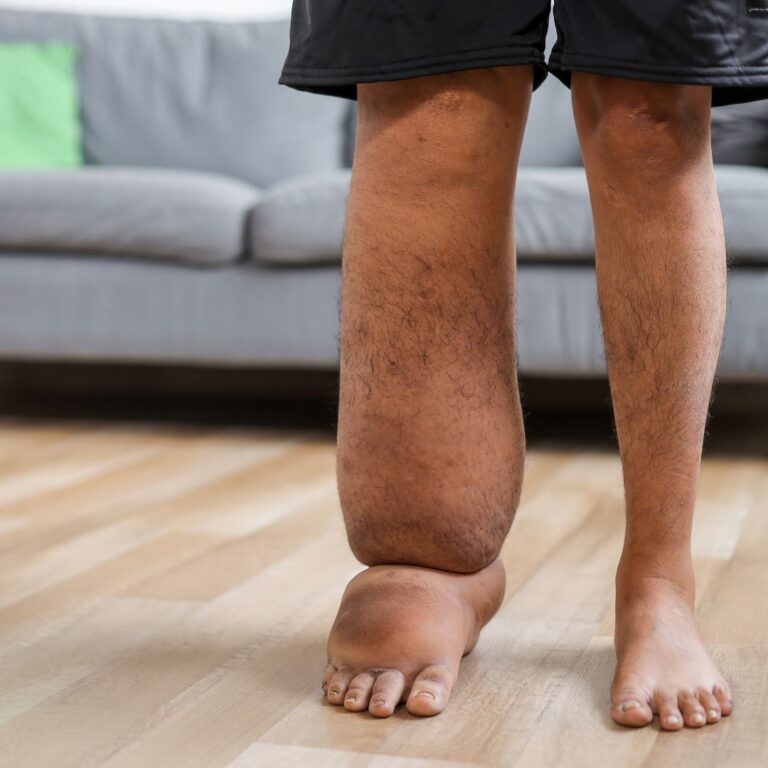
Filariasis, particularly lymphatic filariasis, is a neglected tropical disease caused by parasitic roundworms (filariae) transmitted to humans by mosquito bites. While often asymptomatic in its early stages, the parasites damage the lymphatic system, leading to chronic, disfiguring conditions like lymphedema (swollen limbs), known as elephantiasis, and hydrocele (swollen scrotum). The disease causes pain, recurrent infections, permanent disability, and significant social and economic hardship.
Cause and Transmission
- Parasites:
The infection is caused by thread-like parasitic worms from the family Filarioidea, specifically Wuchereria bancrofti, Brugia malayi, or Brugia timori. - Vectors:
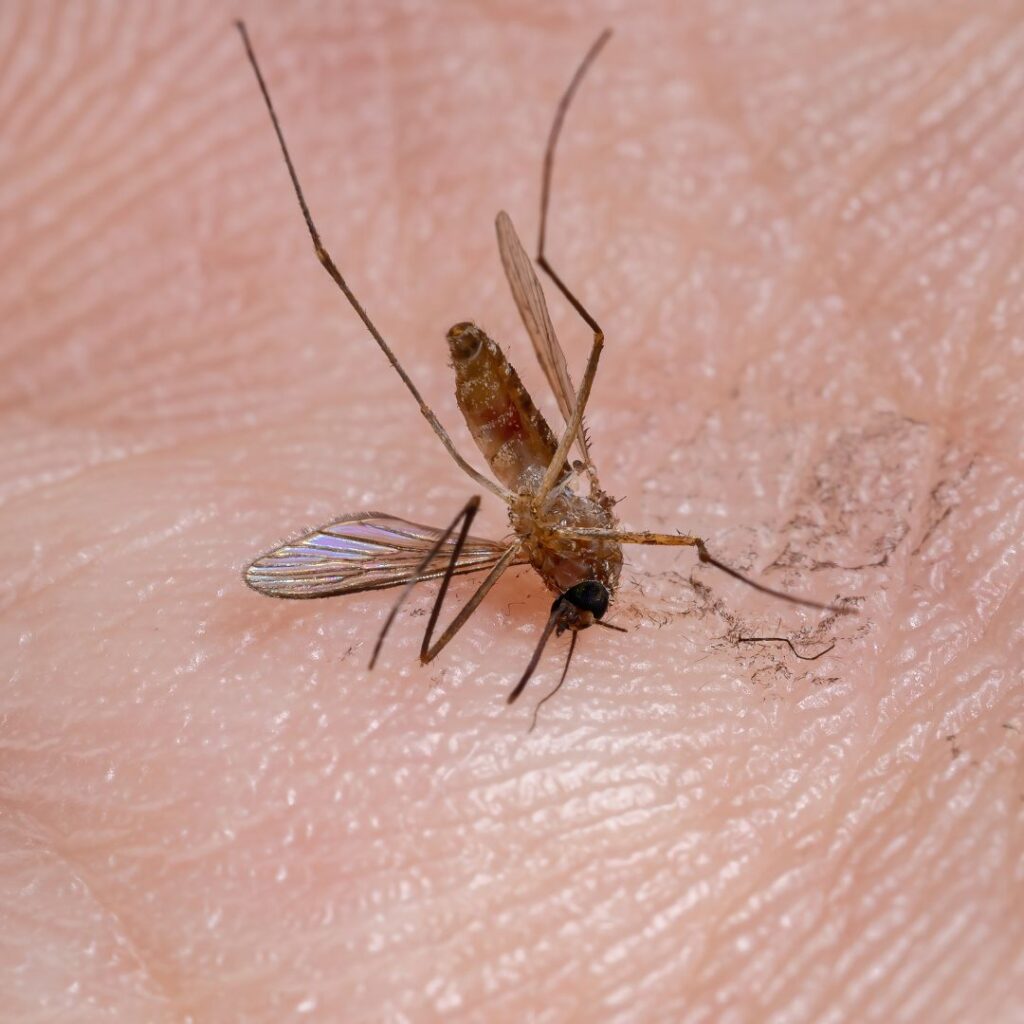
These parasites are transmitted to humans through the bites of infected mosquitoes.
Symptoms
- Early Stages:
Many infected people have no outward symptoms but suffer internal damage to their lymphatic system, which can last for years. - Chronic Stages:
After long-term exposure, a small percentage of people develop symptoms such as: Lymphedema/Elephantiasis: Painful, swollen limbs due to fluid buildup in the tissues. - Hydrocele: Enlargement of the scrotum in males.
- Secondary Infections: Frequent and severe bacterial infections due to the impaired lymphatic system.
- Fever Attacks: Acute, painful episodes of high fever and severe pain due to infections in the damaged lymphatic system.
After the Procedure
- Recovery: It’s a fast recovery process, and patients can typically go home the same day.
- Stitch Removal: The stitches are usually removed in about a week.
- Re-piercing: In some cases, the earlobe can be re-pierced at the same site or a new location as early as six weeks after the surgery.
Impact
- Disability:
The disease leads to permanent physical disabilities, making daily activities difficult. - Economic and Social Consequences:
Affected individuals suffer mental, social, and financial losses, contributing to stigma and poverty. - Prevention and Control:
Providing specific medications prescribed by a doctor. - Mosquito Control:
Preventing mosquito bites through measures like using bed nets and reducing mosquito populations is also recommended.