Amenorrhea is the absence of a menstrual period in a female of reproductive age, classified as either primary (never started by age 15) or secondary (stopped for 3-6 months after previously being regular). Causes are varied and can be natural, like pregnancy and menopause, or related to lifestyle factors such as extreme exercise, poor nutrition, or stress. Other causes include certain medications, hormonal imbalances, and underlying medical conditions.
A woman who previously had regular periods experiences a stop in menstruation for three or more months (or six months if periods were previously irregular).
Common Causes
Natural Causes:
Pregnancy, breastfeeding, and menopause are common reasons for a missed period.
Lifestyle Factors:
Excessive exercise, very low body fat, sudden or significant weight loss, and severe stress or anxiety can lead to amenorrhea.
Medications
Some medications, including hormonal birth control, antipsychotics, and certain blood pressure or allergy drugs, can cause absent periods.
Hormonal Imbalances
Issues with hormones, such as those from a dysfunctional hypothalamus or thyroid conditions, can suppress ovulation and cause amenorrhea.
Other Conditions
Previous uterine surgery with scarring, and some chronic medical conditions can also be contributing factors.
Symptoms
Beyond the absence of a period, other symptoms may include:
Headaches
Vaginal dryness
Acne
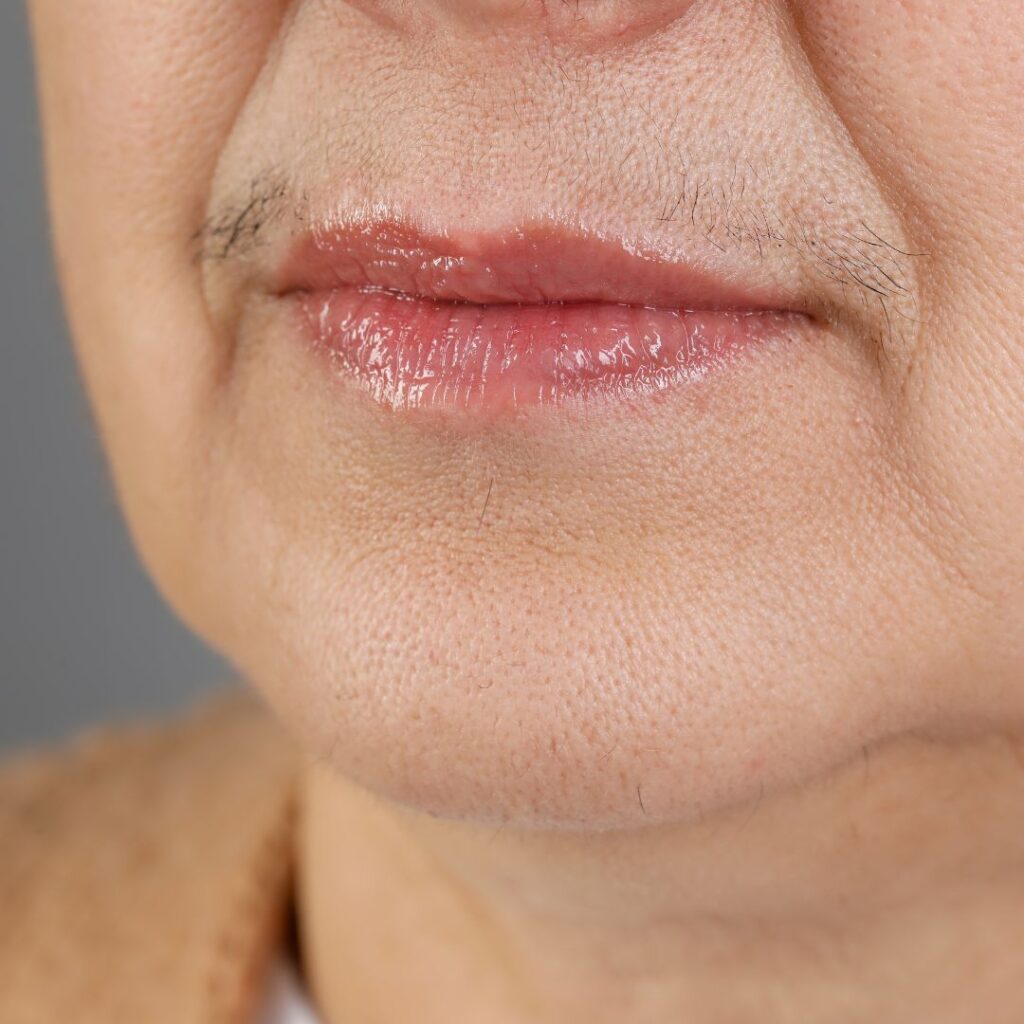
Excess hair growth (hirsutism)
Nipples leaking milk
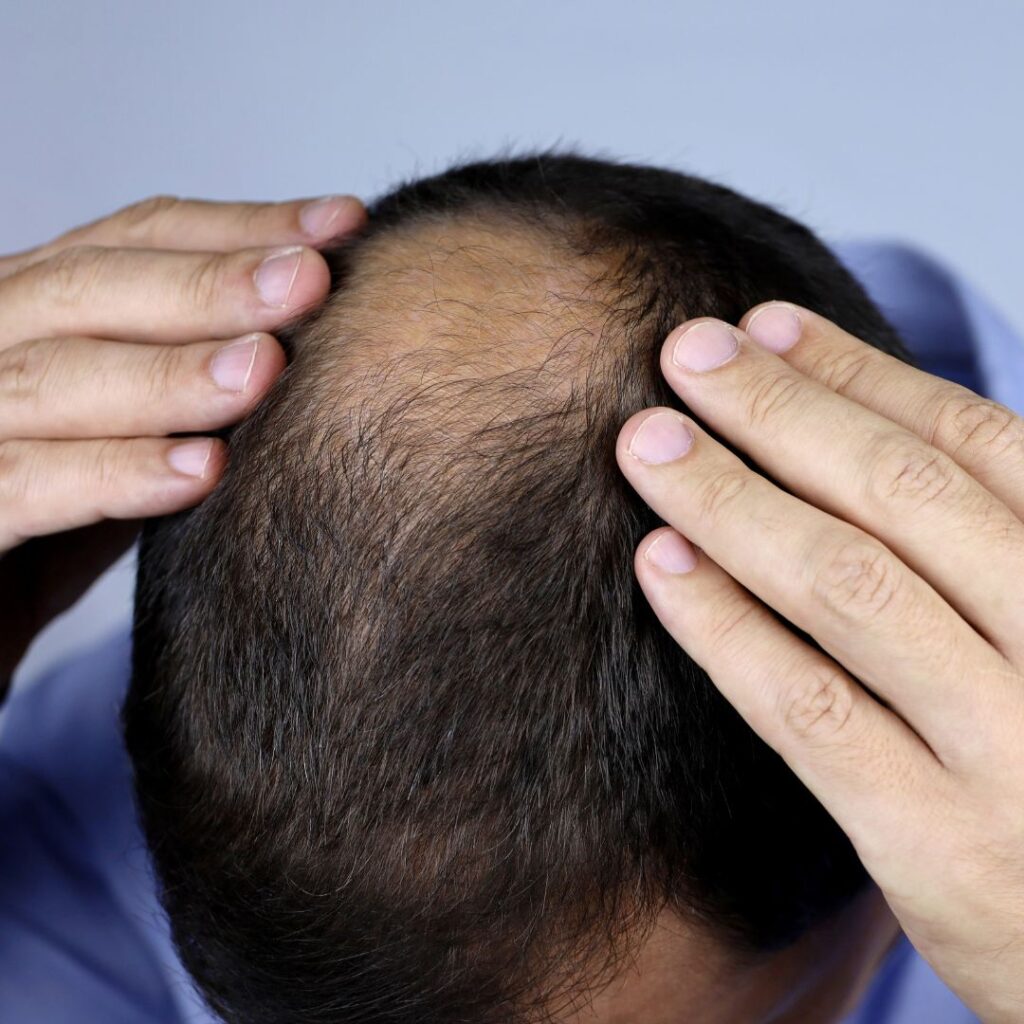
Hair loss
Vision changes
When to See a Doctor
If you have missed your period, it is important to consult a healthcare professional for an evaluation to identify the underlying cause and receive appropriate treatment