Polycystic Ovarian Disease
About PCOD
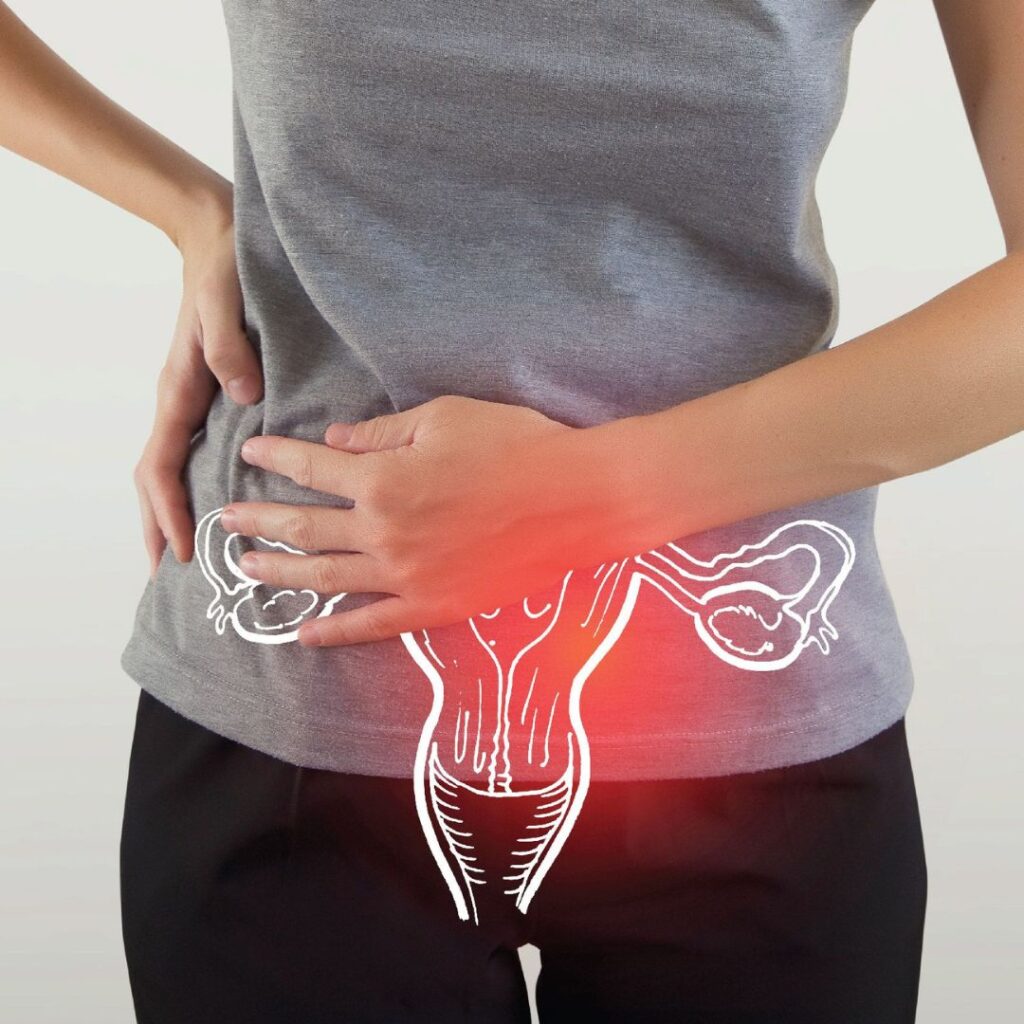
PCOS is polycystic ovary syndrome, a hormonal disorder in women of reproductive age marked by irregular periods, excess androgen (male hormone) levels leading to symptoms like acne and excess hair growth, and ovarian cysts. It's a common cause of infertility and is associated with increased risk of type 2 diabetes, heart disease, and high blood pressure. While not curable, lifestyle changes, medication, and fertility treatments can manage symptoms.
Symptoms of PCOS
- Menstrual Irregularities: Infrequent, irregular, or prolonged menstrual cycles.
- Hyperandrogenism: Elevated levels of male hormones, leading to Acne
- Excess body and facial hair growth: (hirsutism) Male-pattern hair loss: (thinning hair on the scalp)
- Dermoid Cysts: Cysts that can contain tissues like bone or hair.
- Polycystic Ovaries: A higher-than-normal number of small cysts on the ovaries.
- Weight Gain: Especially around the abdomen
- Skin Changes: Such as dark, thickened skin patches (acanthosis nigricans) in the armpits or neck, and skin tags.

Associated Conditions
- Insulin Resistance & Type 2 Diabetes: A major concern, as over half of women with PCOS develop type 2 diabetes before age 40.
- High Cholesterol & Blood Pressure: Increased risk of heart-related issues.
- Infertility: Ovulation disorders often lead to difficulty conceiving.
Causes
The exact cause is unknown, but it’s believed to be a combination of genetic and environmental factors, including:
- Genetics: PCOS tends to run in families.
- Insulin Resistance: The body’s inability to use insulin properly.
- Hormonal Imbalances: Primarily the increased levels of androgens.
Diagnosis & Treatment
Diagnosis
Based on the presence of at least two of the three criteria: chronic anovulation (lack of ovulation), hyperandrogenism, and polycystic ovaries, after ruling out other conditions.
Treatment
- Focuses on managing symptoms: Lifestyle Changes: Can significantly improve symptoms.
- Medications: To regulate periods, manage androgen levels, and reduce the risk of diabetes.
- Fertility Treatments: To help with conception.
PCOS is a chronic condition that cannot be cured, but treatments can help manage symptoms and prevent complications.