
Rabies Vaccination
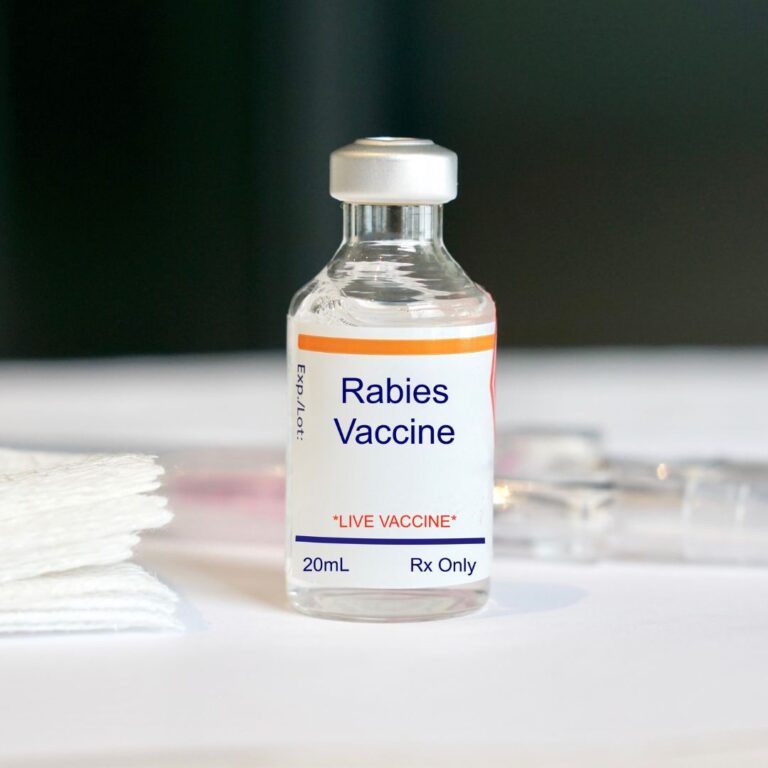
About Rabies Vaccination
Rabies is a preventable, but almost always fatal, viral disease transmitted to humans through the saliva of infected mammals, most commonly through the bite or scratch of an animal like a dog or bat. Once symptoms appear, the disease causes severe inflammation of the brain and spinal cord, leading to paralysis, hallucinations, and death. However, rabies can be entirely prevented with timely post-exposure vaccinations (PEP) after an exposure.
How Rabies Spreads
Animal Bites and Scratches:
The virus is transmitted through the saliva of an infected animal including: dog, cat, rat, fox, jackal, monkey, mongoose, bats, cow, horses, usually during a bite or scratch.
Other Exposures:
Less commonly, the virus can enter the body if the animal’s saliva comes into contact with an open wound, cut, or mucous membrane (like the mouth or nose).
Symptoms of Rabies
Symptoms typically begin like the flu and can include fever, headache, and pain or tingling at the bite site. As the virus progresses, severe neurological symptoms develop, including:
Furious Rabies:
Agitation, aggression, hallucinations, muscle spasms, and fear of water (hydrophobia).
Paralytic Rabies:
Weakness, paralysis that spreads from the body part that was bitten, and eventually leading to a coma.
What to Do After an Exposure
Seek Immediate Medical Help:
If you are bitten or scratched by an animal, or if you have contact with saliva from a possibly rabid animal, contact a medical facility or health department immediately.
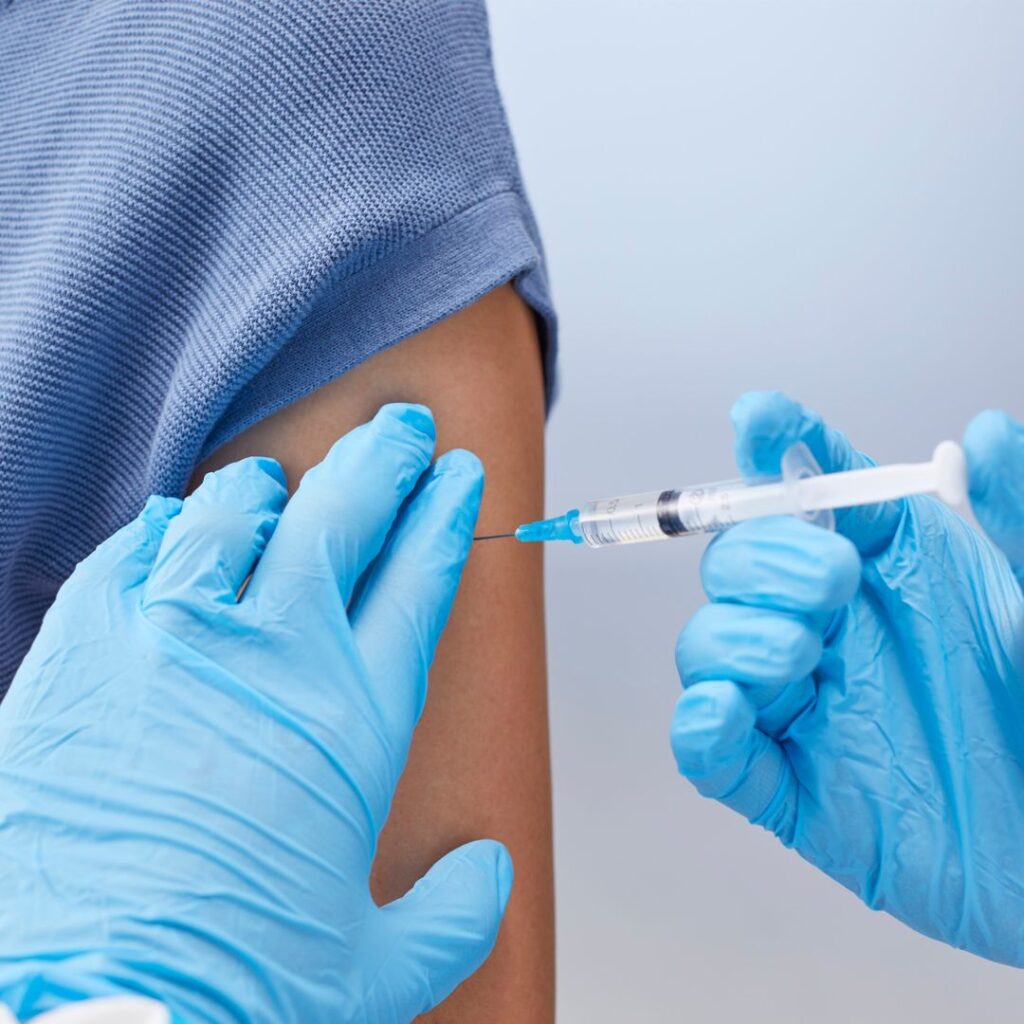
Vaccination
The rabies vaccine is a safe and effective immunization used both to prevent rabies before exposure and to stop the infection after an animal bite. Rabies is a viral disease that is nearly always fatal once symptoms appear, making prompt treatment essential.
Receiving prompt post-exposure prophylaxis (PEP), which includes vaccinations, can prevent the virus from reaching the brain and causing symptoms, making it entirely preventable.

Post-exposure prophylaxis (PEP)
This emergency treatment is for anyone who may have been exposed to the rabies virus. It is crucial to begin treatment as soon as possible after a potential exposure. Receiving prompt post-exposure prophylaxis (PEP), which includes vaccinations, can prevent the virus from reaching the brain and causing symptoms, making it entirely preventable.
For previously unvaccinated people:
Wound care:
Immediately and thoroughly wash the wound with soap and water.
Rabies Immune Globulin (HRIG): This shot provides immediate, passive immunity. It is administered directly into and around the wound site.
Vaccination as per schedule.
For previously vaccinated people:
Wound care: Clean the wound immediately and thoroughly.
Prevention *Get Vaccinated
Consider pre-exposure vaccination (PrEP) if you live in or travel to areas with a high risk of rabies.
Vaccinate Pets: Keep your pets, especially dogs, vaccinated to prevent them from contracting and spreading the disease.
Avoid Wildlife: Stay away from wild animals and avoid contact with stray animals.