
Thyroid
About Thyroid
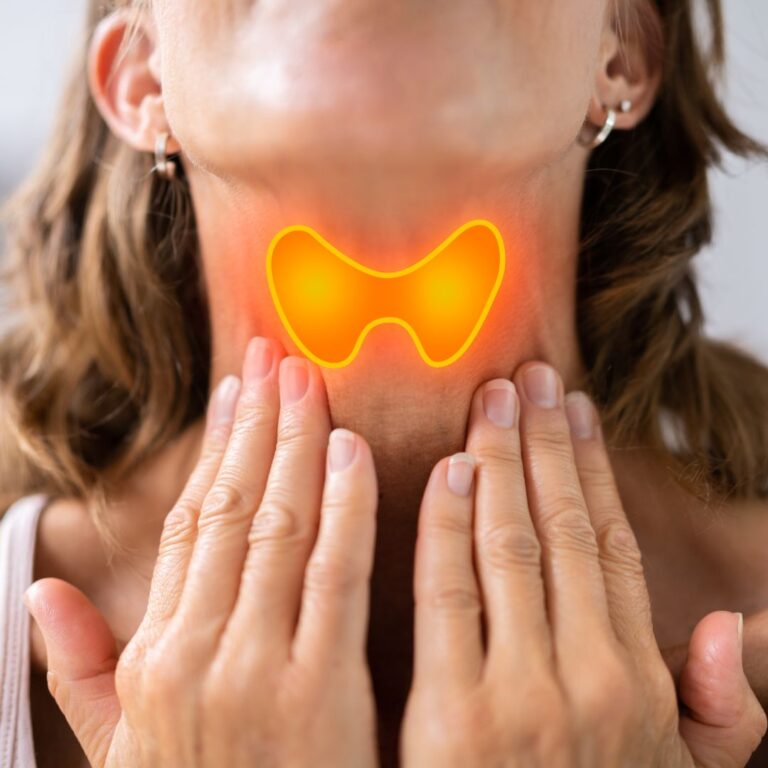
The thyroid is a small, butterfly-shaped gland located in the front of your neck that produces hormones controlling your body's metabolism, energy use, and many vital functions like heart rate, weight, and digestion. When this gland doesn't work properly, it can lead to thyroid disease, such as an overactive thyroid (hyperthyroidism) causing a fast metabolism or an underactive thyroid (hypothyroidism) resulting in a slow metabolism. Symptoms and diagnosis of thyroid conditions typically involve blood tests, including tests for Thyroid-Stimulating Hormone (TSH), T3, and T4 levels, and potentially imaging tests.
What the Thyroid Does
Hormone Production: The thyroid produces thyroid hormones, primarily T3 (triiodothyronine) and T4 (thyroxine).
Metabolic Control: These hormones regulate your body’s energy use and affect many organs.
Vital Functions: They influence your breathing, heart rate, weight, digestion, mood, and temperature. at make insulin.
Thyroid Diseases
- Hypothyroidism:
The thyroid gland is underactive and produces too little thyroid hormone, slowing down your metabolism. Common symptoms include fatigue, weight gain, cold intolerance, constipation, and depression. - Hyperthyroidism:
The thyroid gland is overactive and produces too many hormones. Symptoms can include rapid heartbeat, weight loss, heat intolerance, mood swings, and difficulty sleeping.
Diagnosis
- Blood Tests: Doctors often start with blood tests to check thyroid function. These include measuring TSH, T3, and T4 levels.
- Thyroid Antibodies: A thyroid antibodies test can help diagnose autoimmune thyroid
Disorders.
- Imaging Tests: These may also be ordered to get a closer look at the thyroid gland.